
Strengthening Our Infrastructure - Vepay x Miden
Vepay partners with miden

Seamless Cross-Border Payments for Africans
Vepay is a financial technology company, not a bank. Banking services are
provided by licensed banking partners.

© 2026 Vepay, subsidiary of AGS Tech Solutions Limited
10 Lavender Avenue, Magboro, Ogun state
Published January 05, 2026
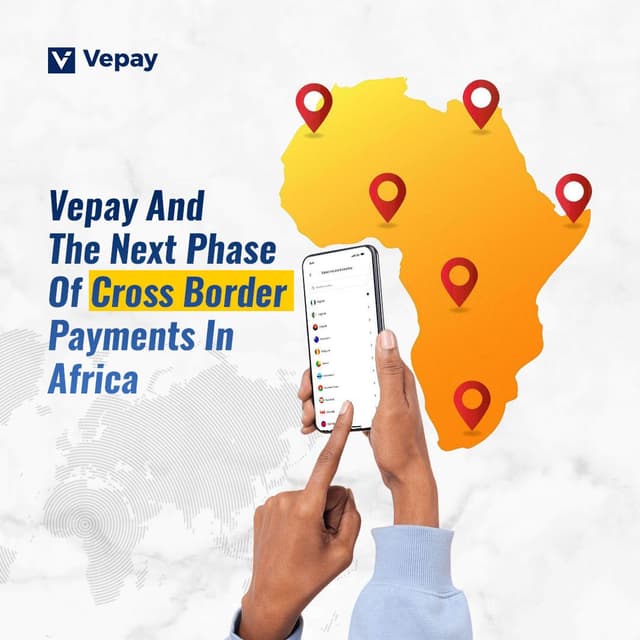
Africa’s cross-border payment landscape has evolved meaningfully over the past few years. Digital financial services have improved access, reduced dependency on cash, and enabled broader participation in global commerce. Individuals now transact beyond borders with greater ease, and businesses increasingly rely on digital payment rails to operate across markets.
This progress is significant. However, progress also brings higher expectations.
As transaction volumes grow, the conversation shifts from access to performance - from can payments move to how well they move. Speed, pricing transparency, settlement reliability, and regulatory alignment are now defining factors of value.
Vepay is being built with this shift in focus in mind.
Cross-border flows into and within Africa continue to expand, driven by remittances, digital trade, remote work, and services. Remittance inflows alone exceed $90 billion annually, underscoring the importance of efficient payment systems to economic stability and household income.
Despite this momentum, execution gaps remain.
Payment flows are often fragmented across providers, foreign exchange pricing remains inconsistent, and settlement timelines can vary widely. For businesses, these inefficiencies create operational risk. For individuals, they introduce cost uncertainty and reduce trust.
The next stage of growth will depend less on adding options and more on improving coordination, reliability, and accountability across payment infrastructure.
Vepay approaches cross-border payments as infrastructure rather than a standalone product feature.
Our focus is on reducing friction across the payment journey - from local funding and currency conversion to international settlement - while maintaining clear governance and compliance standards. This requires disciplined partner selection, structured processes, and an emphasis on system reliability.
Rather than pursuing rapid, uncontrolled expansion, Vepay prioritizes durability. Payments platforms must perform consistently under volume, regulatory scrutiny, and operational pressure. Building for longevity requires restraint as much as ambition.
Recent tax and financial reforms in Nigeria reflect a broader regional trend toward formalization, transparency, and stronger oversight of digital financial services. These changes are designed to improve revenue tracking, reduce systemic risk, and integrate fintech platforms more fully into the formal economy.
For the industry, this marks a turning point.
Platforms that lack strong reporting, transaction traceability, and compliance frameworks will find it increasingly difficult to scale. Conversely, companies that embed governance into their operations will be better positioned to earn trust from regulators, partners, and users.
At Vepay, compliance is not treated as an afterthought. It is a prerequisite for scale. As regulatory expectations evolve, our systems are being strengthened to align with higher standards of accountability and financial reporting.
The first quarter of 2026 represents a phase of deliberate execution for Vepay, with emphasis on strengthening core capabilities.
Priority is being placed on improving settlement efficiency, system stability, and transaction success rates. In payments, reliability is cumulative - small improvements at scale have material impact on user experience and trust.
Growth will continue in stages, guided by demand patterns, regulatory clarity, and partner performance. This approach allows for controlled scaling while maintaining operational consistency.
Vepay is extending its capabilities to support business operations, including merchant onboarding and tools for managing both local and cross-border payments. This evolution positions the platform as a practical solution for companies operating across markets.
Financial platforms compete not only on functionality but on credibility. Investment in customer support, communication, and public positioning is essential to sustaining long-term user confidence.
Cross-border payments play a central role in economic participation. They enable trade, facilitate employment, support entrepreneurship, and connect local economies to global markets.
Vepay’s long-term objective is to operate as a dependable payment platform that supports this activity at multiple levels - individual, business, and institutional. By combining international payment capabilities with local transaction tools, the platform is structured to serve evolving financial needs over time.
Innovation, in this context, is not about novelty. It is about consistency, scale, and alignment with real economic activity.
Africa’s payment ecosystem is entering a more disciplined phase. As volumes increase and regulation tightens, execution quality will distinguish enduring platforms from transient ones.
Vepay’s strategy is centered on building financial systems and products that can support sustained growth - technically, operationally, and regulatorily. The emphasis remains on infrastructure strength, thoughtful expansion, and responsible innovation.
In an environment where trust, transparency, and performance increasingly define value, these priorities are not optional. They are foundational to long-term relevance.
Vepay partners with miden

From subscriptions and convenience spending to social media pressure and digital payments, discover 6 major reasons money disappears faster today, and how modern spending habits are changing financial behaviour.

For years, the global payments industry has been guided by assumptions that have gone largely unchallenged. Fees are seen as inevitable, settlement delays as unavoidable, and strong security as something that must come at the expense of convenience. These beliefs have shaped how money moves across borders and within markets, quietly dictating the customer experience.

At Vepay, we have rolled out a major platform update that marks a meaningful step forward in our long-term mission to build reliable, borderless payment infrastructure for Africa.
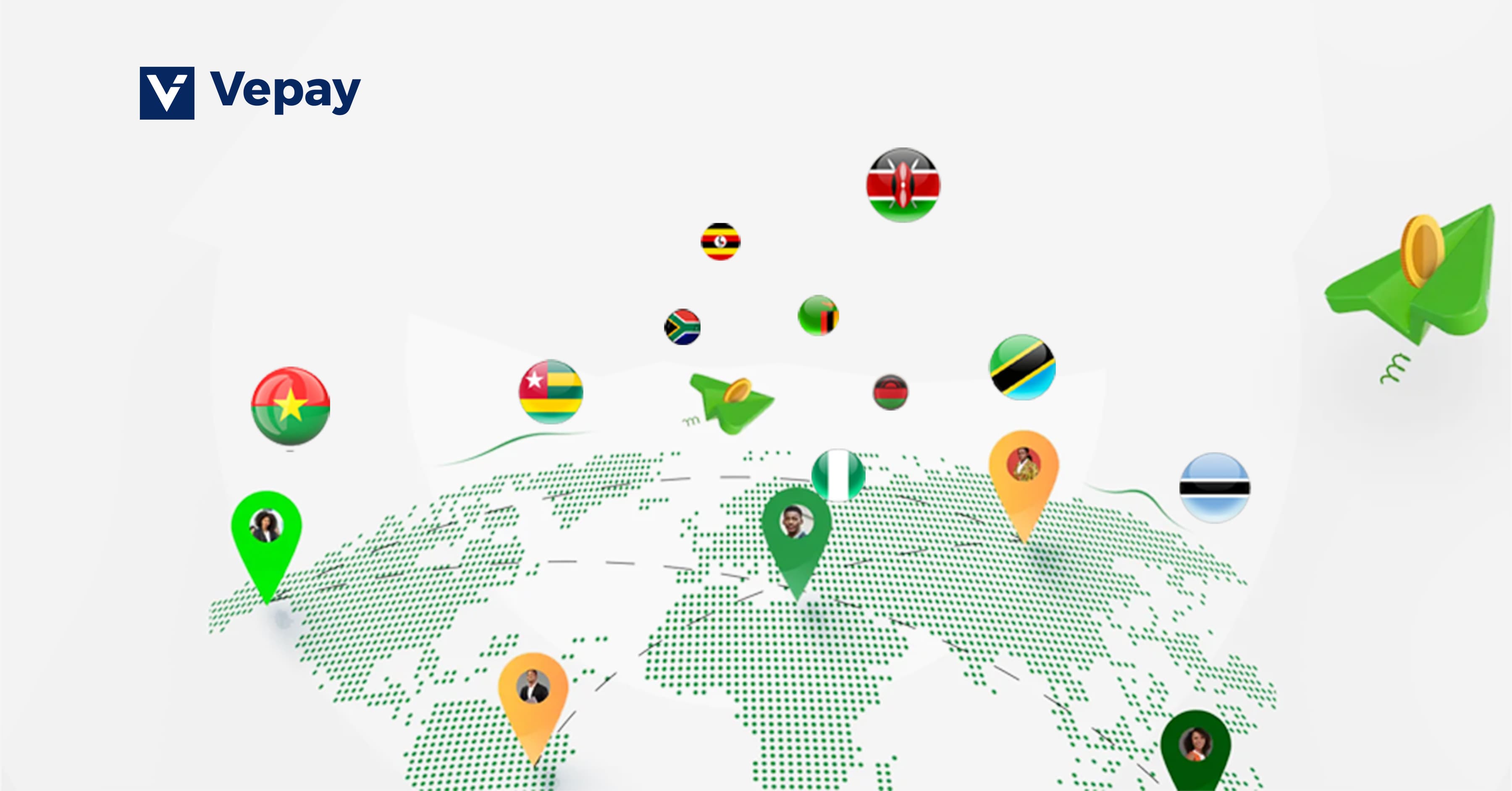
In a region where the movement of funds between countries has long been slowed by complex systems and high costs, Vepay is driving a new era of seamless cross-border payments.